
 | ||||
Immunology:
Innate & Acquired Immunity Main Page
Virtual Microbiology Classroom of Science Prof Online

LEARNING OBJECTIVES
- Describe microbial antagonism. With respect to this, how do normal flora benefit you?
- Understand the first line of immune defense against pathogens; physical components and chemical components.
- What is the role of mucus in helping protect us from infection?
- Understand how leukocytes, nonspecific chemical defenses, inflammation and fever contribute to our second line of defense against pathogens.
- Describe the three types of formed elements.
- List the different types of leukocytes and their functions.
- Know the three types of cells that kill extra-cellularly.
- Be able to list and describe the nonspecific chemical defenses of the second line of immune defense.
- Understand the steps of the inflammatory response.
- Which leukocytes are part of nonspecific immune function? Which are part of specific immune function?
- Understand what antigens are, and be able to describe the different types.
- Be able to describe what an epitope is. What is another term for epitope?
- Understand what antibodies are, what they can do, and which cell type produces them.
- What are antigen presenting cells?
- Know the function and components of the lymphatic system to the level that we discussed in lecture/PPT.
- Know the types of lymphocytes and their functions.
- What are B cells? Their types and functions?
- What are T cells? Their types and functions?
- What is the difference between specific and nonspecific immune function? Which aspects of immune function are nonspecific and which are specific?
LECTURE POWERPOINT
Versions of Immunology PPT:
- Student's Immunology Basics PowerPoint Show
- Student's Immunology Basics PowerPoint PDF Printout
Printing: The best way for students to print out the PowerPoint Show is to download the PDF version. Select Print, and, when the Print screen comes up, go to the Print Handling options. Under Page Scaling, select "Multiple pages per sheet". Under Pages Per Sheet, select "2". That uses up less paper placing two slides on each page.
Immunology Lecture Materials

SPO VIRTUAL CLASSROOMS
| ||||||


SCIENCE VIDEOS
The Immunology Lecture materials include:
- list of learning objectives
- PowerPoint lecture
- homework assignment
- practice test & review questions

You have free access to a large collection of materials used in a college-level introductory microbiology course. The Virtual Microbiology Classroom provides a wide range of free educational resources including PowerPoint Lectures, Study Guides, Review Questions and Practice Test Questions.
Page last updated: 2/2016



SCIENCE PHOTOS
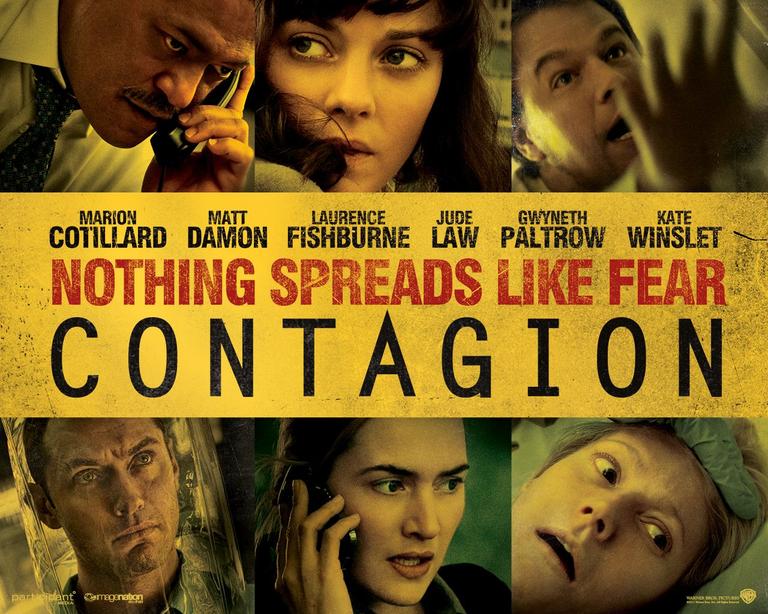
What might happen if a deadly new infectious disease hit the scene?
The film "Contagion" provides an excellent opportunity to learn about infectious disease, how it spreads and which organizations would be involved in tracking and controlling a dangerous outbreak.
Completing the Contagion Extra Credit Assignment will help you better understand this complex film.
IMMUNOLOGY HOMEWORK
Word document of an assignment that prompts students to explore the aspects of innate and acquired immunity that might be involved in a Chlamydia trachomatis infection. This tool helps the students review their understanding of how the immune system protects the body from infection, while allowing the instructor to assess the class' understanding of the material.
REQUIRED READINGS
Here is what you need to read, in addition to the PowerPoint, to master this topic. Check Moodle & your textbook for additional readings.
- What Are Normal Flora? Resident, Transient & Opportunistic Microbes
- Leukocytes: Types of White Blood Cells
PRACTICE TEST & REVIEW QUESTIONS
These multiple-choice / matching practice test questions and essay questions designed to help you better understand the material from this lecture:
MORE IMMUNOLOGY LINKS
- Phagocytosis animation and quiz by McGraw-Hill.
- Immune System “Who Wants to Be a Millionaire” game.
- Immune System animation and quiz by McGraw-Hill.
- Immune System Defender, online game from the Nobel Prize website. Use your force of white blood cells to destroy invading bacteria, before they overpopulate and cause disease.
- Assassin - song by John Mayer.
- Immune System Game, a collection of online fun and educational games about immunology.
